Promotional Offer Structures Guiding Player Decisions in Electronic Card Variants
Yara Krause · Sep 20, 2026
Promotional Offer Structures Guiding Player Decisions in Electronic Card Variants
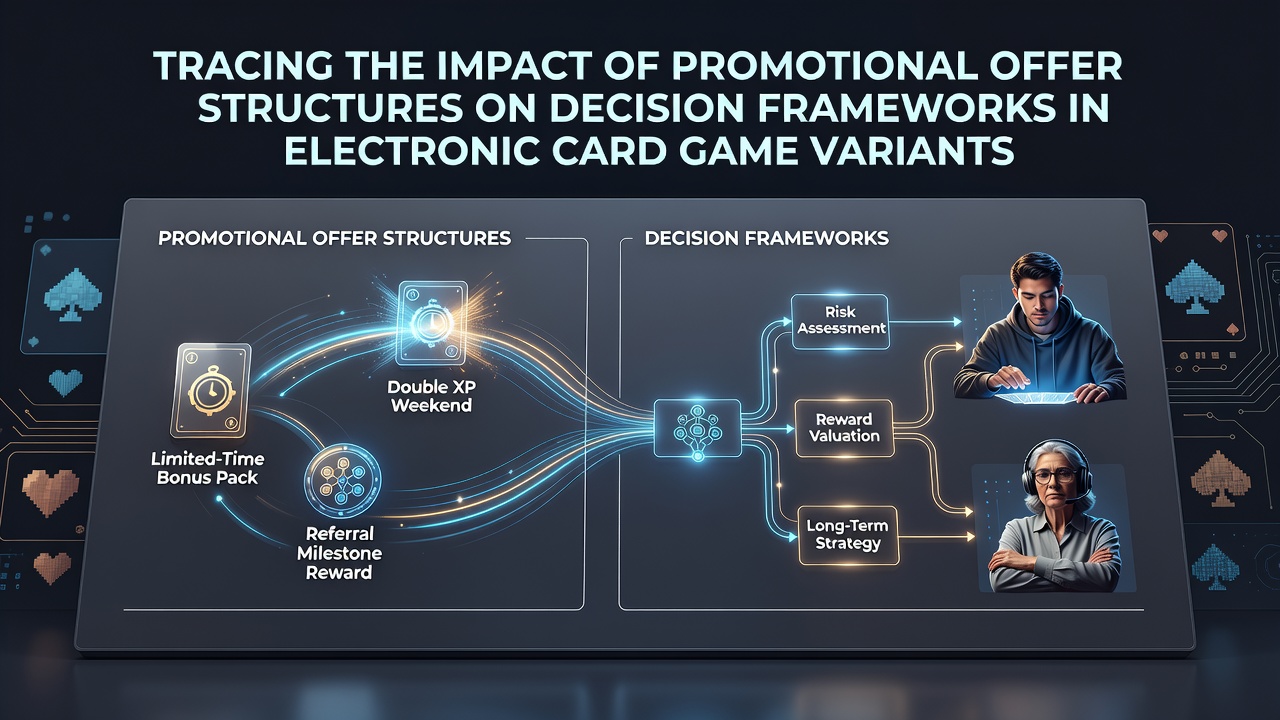
Electronic card game variants such as video poker and virtual blackjack have incorporated layered promotional structures that directly influence how participants allocate bets and adjust strategies during sessions, with data from aggregated platform logs indicating shifts in entry timing and risk thresholds when specific reward mechanics activate. Researchers tracking these patterns note that welcome bonuses tied to initial deposits often prompt earlier aggressive plays in the first few hands, whereas loyalty point multipliers encourage extended sessions focused on steady accumulation rather than high variance moves.
Core Mechanics of Offer Designs in Digital Formats
Platform operators structure promotions around deposit matches, cashback tiers, and free play credits that reset at set intervals, and these elements create decision points where players weigh immediate gains against long term rollover requirements. Studies of session data from regulated networks reveal that when a bonus includes a low wagering multiplier, participants tend to increase bet sizes on hands with favorable odds calculations, while higher multipliers correlate with more conservative choices that preserve balance until requirements clear. Observers have documented how time limited offers in September 2026 prompted measurable spikes in table entries across multiple jurisdictions, particularly when paired with leaderboard competitions that reward consistent participation over isolated wins.
Effects on Strategy Selection and Risk Calibration
Decision frameworks shift when promotional credits attach conditions such as minimum hand counts or specific game variants, leading players to favor certain card combinations that align with bonus completion goals. Data indicates that in electronic poker variants, those incentives tied to royal flush pursuits result in altered discard patterns compared to standard play, with participants more willing to hold intermediate cards in pursuit of the reward. Similar adjustments appear in blackjack settings where side bet promotions encourage additional wagers during promotional windows, even when base game probabilities remain unchanged. Those monitoring aggregated logs across platforms report that players frequently recalibrate hit or stand thresholds once a cashback layer activates, prioritizing preservation of the promotional balance over pure expected value calculations.
Regional Variations and Platform Comparisons
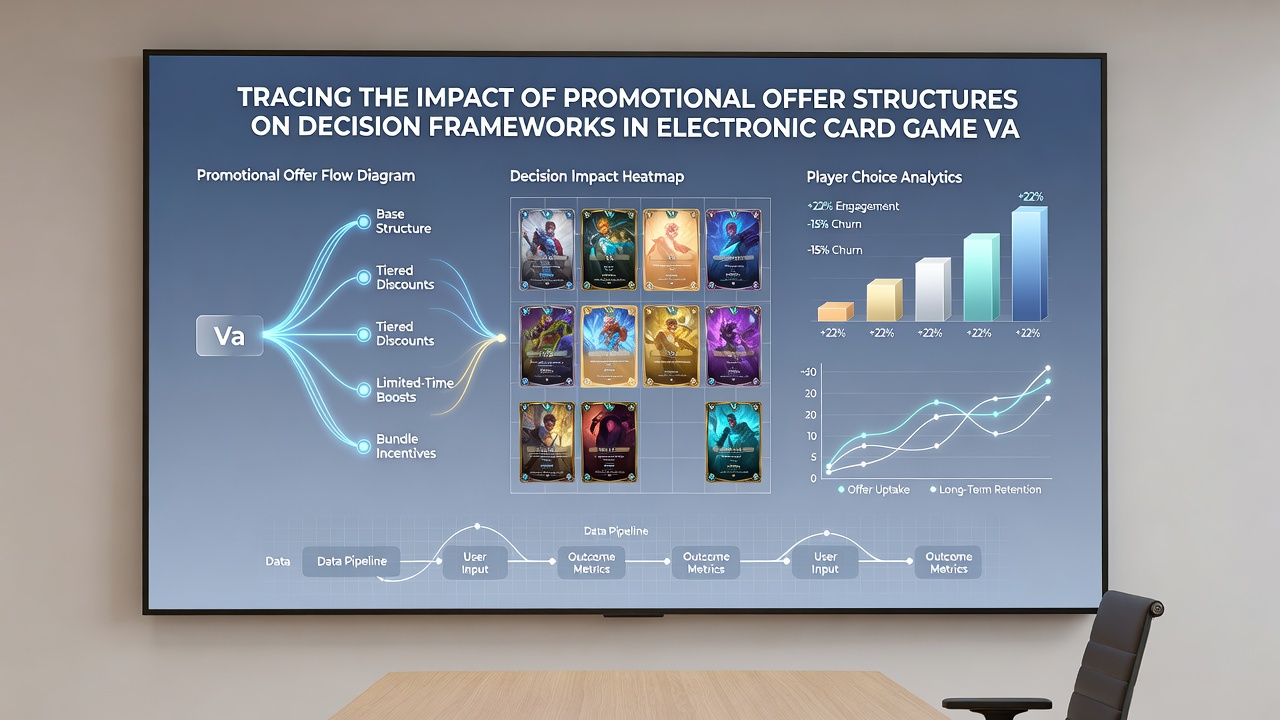
North American operators tend to emphasize deposit match structures that tie directly to card game volume, while European and Australian platforms more commonly deploy cashback models linked to session length, and these differences produce distinct behavioral signatures in how participants approach betting sequences. A report from the Nevada Gaming Control Board highlights correlations between promotional calendars and peak activity periods in licensed digital environments, whereas research from the University of Sydney's gambling studies unit examines how free credit allocations affect entry decisions in virtual table formats. Platform analytics further show that when promotions incorporate tiered rewards based on total hands played, users extend play duration and moderate variance in bet sizing to meet successive levels.
Regulatory Developments Through Late 2026
Upcoming compliance frameworks scheduled for implementation in September 2026 require clearer disclosure of rollover conditions attached to card game bonuses, a change expected to influence how operators present promotional details and how participants interpret risk parameters before committing funds. Regulatory bodies in multiple regions have begun requiring standardized reporting on promotional impact metrics, which in turn supplies researchers with more granular datasets for tracing decision pattern evolution. Industry associations note that transparent structures reduce instances of mismatched expectations, allowing players to align promotional participation more closely with their established risk frameworks across electronic variants.
Conclusion
Promotional offer structures continue to intersect with core decision processes in electronic card game variants through measurable adjustments in timing, bet sizing, and strategy selection, supported by session data and regulatory reporting that document these interactions across diverse platforms and jurisdictions. As disclosure standards evolve, the relationship between reward mechanics and player frameworks remains a focal point for ongoing analysis in regulated markets.