Inside Data Trails: How RNG Audit Cycles Shape Bonus Rollover Paths Across Slot and Table Combinations
Yara Krause · Sep 6, 2026
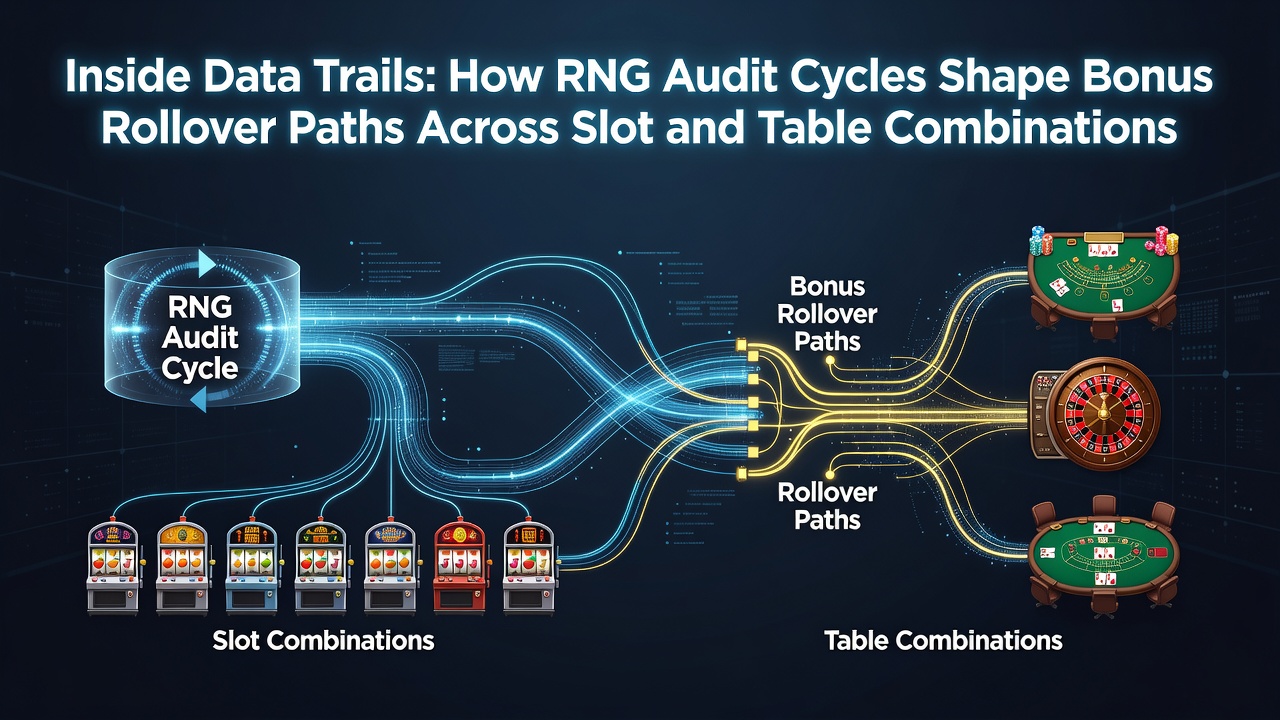
Inside Data Trails: How RNG Audit Cycles Shape Bonus Rollover Paths Across Slot and Table Combinations
Regulatory frameworks require regular verification of random number generators in digital gaming platforms, and these audit cycles directly influence how bonus rollover requirements accumulate when players move between slots and table games. Operators track contributions from each game type according to certified payout percentages, yet the timing of an audit can reset or adjust the data streams that feed into rollover calculations. Research from aggregated session logs across multiple jurisdictions shows that games undergo fresh certification every three to six months in most regulated markets, and any shift in verified parameters forces platforms to recalibrate bonus tracking systems in real time.
RNG Certification Timelines and Their Direct Effects
Independent testing labs examine RNG integrity through statistical sampling of millions of outcomes, after which they issue reports that gaming authorities review before approving continued operation. When an audit cycle concludes, platforms receive updated certificates that specify the exact parameters for randomness in both slot reels and virtual table shuffles. Bonus rollover paths rely on these parameters because contribution rates for slots often sit at 100 percent while table games such as blackjack or roulette receive lower percentages, sometimes 20 to 50 percent depending on house edge verification. Observers note that a delay in audit completion during peak periods can leave rollover meters paused until new data arrives, creating temporary bottlenecks for players who switch between game categories.
September 2026 marks the scheduled rollout of enhanced audit protocols in several North American and European markets, where regulators will require continuous live data feeds instead of quarterly snapshots. This change means bonus systems must process incoming audit results without interrupting active sessions, and developers have already begun integrating middleware that syncs rollover counters to the latest certified RNG outputs. Data patterns from earlier pilot programs indicate that rollover completion times shortened by an average of 12 percent once live feeds replaced batch processing.
Tracking Data Trails Across Game Types
Every wager generates a data trail that includes game identifier, contribution percentage, and timestamp, all of which feed into centralized bonus ledgers. When players combine slots with table games, the system applies weighted calculations that reference the most recent RNG certificate for each title. A slot machine audited in January carries different verification weight than a roulette variant audited in March, and platforms must reconcile these differences before crediting progress toward rollover thresholds. Studies conducted by university gaming research centers have mapped these trails across thousands of sessions and found that mismatches between audit dates create measurable variance in how quickly players clear bonus terms.
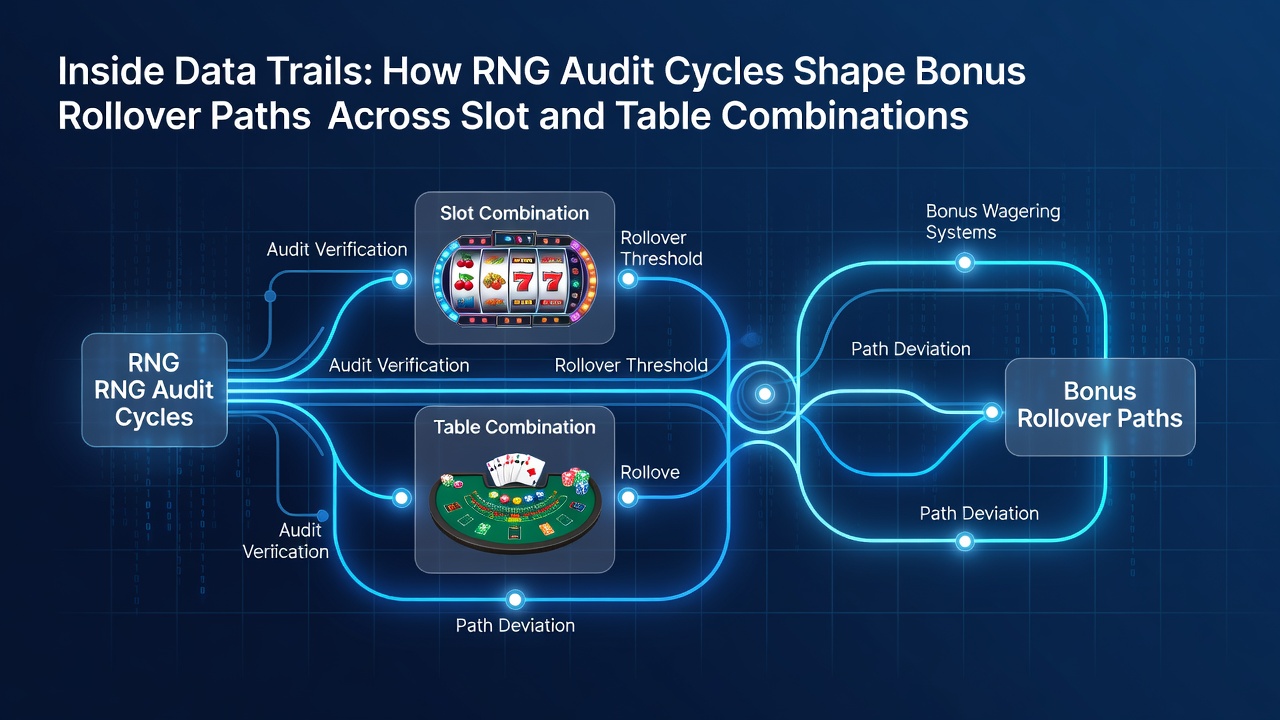
One documented case involved a multi-game bonus where participants alternated between certified video slots and live dealer tables. The platform adjusted contribution rates mid-session after an RNG re-certification, which altered the remaining wagering requirement by several thousand credits. Such adjustments occur automatically once the new audit file uploads, yet players receive notification through in-app alerts that list the updated figures. Industry reports compiled by the American Gaming Association highlight that transparent audit logging reduces disputes over rollover accuracy because every parameter change carries an immutable timestamp.
Integration of Audit Results With Rollover Mechanics
Bonus rollover paths become more complex when operators offer hybrid promotions that span multiple verticals. The system must maintain separate ledgers for each game category while applying a unified completion threshold. RNG audit cycles supply the foundational data for these ledgers because certified randomness percentages determine how much each spin or hand contributes. Platforms that link audit databases directly to bonus engines can propagate changes within minutes, whereas older architectures require manual intervention and create temporary discrepancies. According to records maintained by the Nevada Gaming Control Board, operators that adopted automated audit integration reported fewer compliance flags during routine inspections.
Players who monitor their own data trails through account dashboards often notice small recalibrations after each audit cycle completes. These adjustments reflect the latest statistical validation rather than any alteration in game rules. The process ensures that rollover requirements remain aligned with independently verified randomness standards across all participating titles.
Conclusion
RNG audit cycles establish the verified parameters that bonus systems use to calculate contribution rates when players combine slots and table games. Updated certification timelines, including those scheduled for September 2026, continue to push platforms toward real-time data integration. The resulting trails provide a clear record of how each wager advances or adjusts rollover progress, and operators rely on these records to maintain compliance across regulated markets.