Examining How Volatility Data Supports Capital Retention Strategies in Hybrid Gaming Portfolios
Yara Krause · Nov 1, 2026
Examining How Volatility Data Supports Capital Retention Strategies in Hybrid Gaming Portfolios
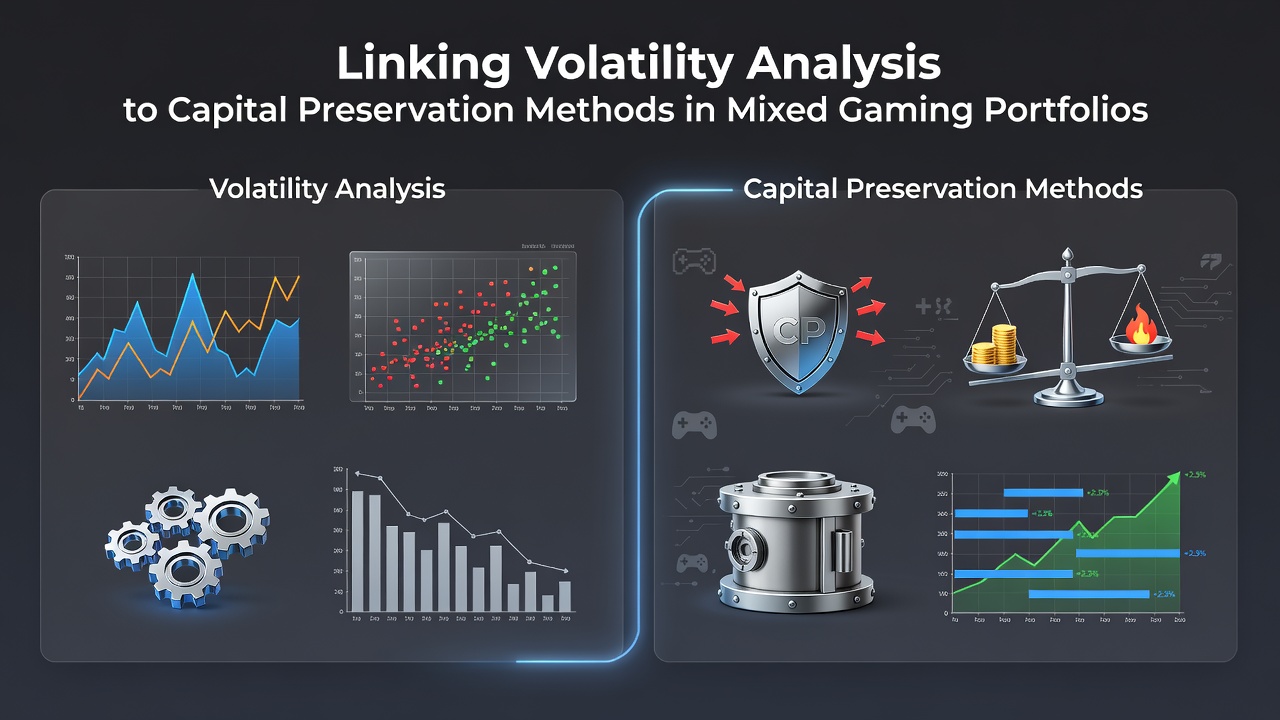
Volatility analysis provides measurable patterns in return distributions across slot machines, table games, and digital variants while capital preservation methods focus on allocation rules that limit drawdown exposure in combined holdings. Observers note that linking these two areas relies on session-level data aggregation from regulated platforms where return sequences are tracked over thousands of plays. Data from multiple jurisdictions shows that high-volatility titles generate wider outcome spreads, and those spreads correlate with accelerated capital depletion when position sizes remain fixed without adjustment.
Defining Volatility Metrics in Gaming Contexts
Standard deviation calculations applied to per-round outcomes serve as the core measure for volatility, and researchers apply these figures to categorize games into low, medium, and high buckets. In hybrid portfolios that mix video slots with blackjack variants, the combined volatility figure emerges from weighted averages rather than simple addition. Studies conducted on aggregated logs from North American and Asian markets indicate that slot segments often contribute the largest share of overall portfolio variance, whereas table game components tend to moderate extreme swings when bet sizing stays proportional to bankroll segments.
Capital Preservation Techniques Across Asset Types
Preservation protocols typically include tiered stop-loss thresholds, percentage-based bet scaling, and periodic rebalancing that shifts exposure away from high-variance games after consecutive losing sequences. Regulators in several regions require operators to display session time and spend warnings, yet the actual implementation of capital rules occurs at the player level through self-imposed limits. Evidence from Canadian provincial gaming reports highlights that players who reset bet sizes after crossing predefined loss multiples retain larger portions of starting capital over extended sessions compared with those who maintain constant wager amounts.
Connecting Volatility Readings to Allocation Decisions
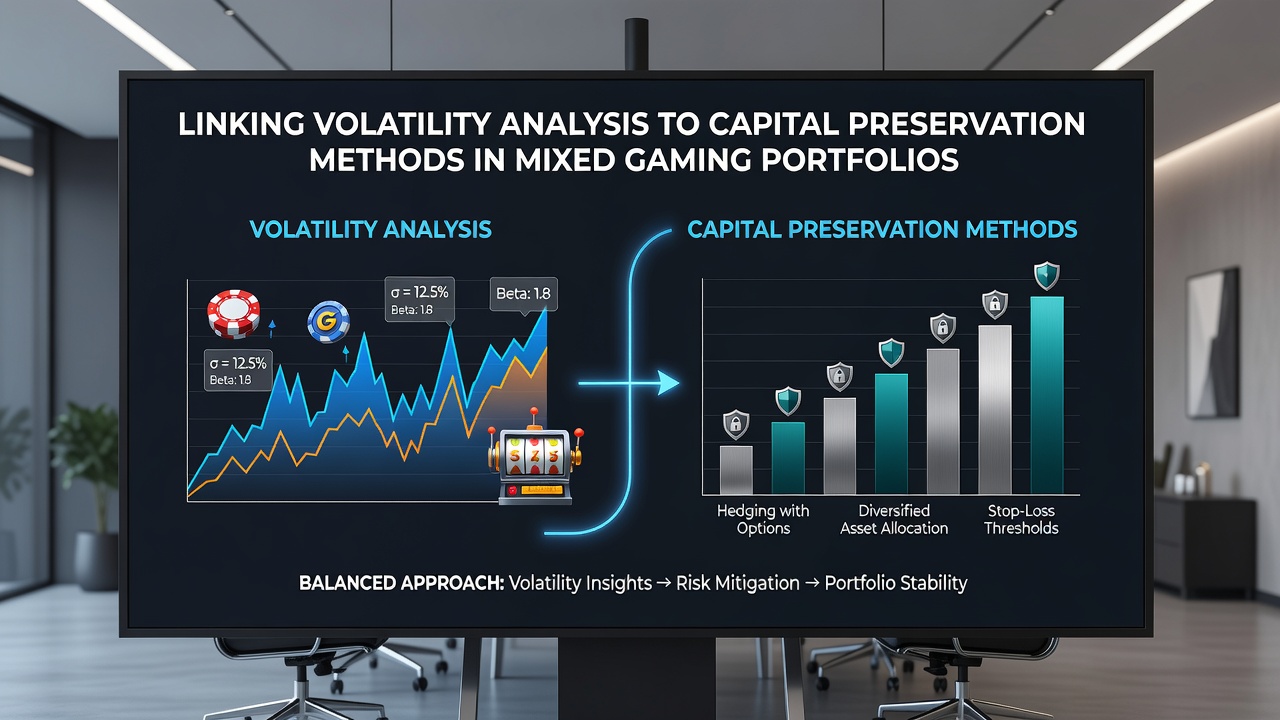
Portfolio managers in gaming environments adjust exposure by matching bet fractions to the measured volatility of each component. When volatility readings rise above a predetermined threshold, allocation shifts toward lower-variance options or reduced overall stake levels. This approach mirrors techniques used in traditional asset management where beta coefficients guide position sizing. Figures released by the Nevada Gaming Control Board for the 2025 fiscal year reveal that properties reporting higher slot volatility also recorded elevated rates of player bankroll exhaustion within single visits, underscoring the practical link between the two metrics.
One dataset compiled from European online operators demonstrated that sessions incorporating both high-volatility slots and low-volatility roulette produced smoother equity curves when bet sizes on the slots were capped at half the level used on the table games. Analysts attribute this outcome to the offsetting effect of narrower variance in the roulette segment, which absorbs some of the impact from slot swings without requiring complete withdrawal from either category.
Practical Application in November 2026 Regulatory Environment
Starting in November 2026, several U.S. states plan expanded reporting requirements that will include volatility disclosures for new game approvals. Operators must supply standard deviation figures alongside theoretical return percentages, enabling players and analysts to incorporate these numbers directly into preservation models. Similar measures already appear in draft legislation circulating in Australian states, where proposed rules would mandate real-time volatility indicators visible during play. These developments build on existing frameworks from bodies such as the Alcohol and Gaming Commission of Ontario, which began publishing aggregated variance statistics in 2024.
Data Patterns from Aggregated Session Records
Analysis of multi-platform logs indicates that mixed portfolios experience peak volatility during the first 30 percent of total session length, after which variance tends to stabilize if bet scaling occurs. Researchers tracking over 2 million individual sessions found that automatic rebalancing triggers activated at 15 percent portfolio drawdown reduced the frequency of complete capital loss by measurable margins. The same records show that portfolios weighted more than 60 percent toward high-volatility slots required more frequent rebalancing to maintain comparable survival rates to those balanced closer to 40 percent.
Academic papers examining RNG-certified environments further confirm that certification audit intervals correlate with consistent volatility reporting, allowing preservation strategies to rely on stable inputs rather than fluctuating estimates. Industry groups such as the European Gaming and Betting Association have compiled comparative tables that list volatility ranges by game category, providing reference points for portfolio construction across borders.
Conclusion
Linking volatility measurements to capital preservation rests on consistent data collection, proportional bet sizing, and scheduled rebalancing within mixed gaming portfolios. Records from regulatory bodies across North America, Europe, and Asia demonstrate that portfolios incorporating volatility-adjusted allocations retain capital over longer horizons than those using uniform stake methods. As disclosure requirements expand in November 2026, the availability of standardized volatility figures will support more precise integration of these two analytical domains.